Will Alcohol really affect my Fitness Goals?
Getting serious about your fitness goals requires you to look a little closer at some key aspects of your life: exercise, nutrition, sleep, water, and alcohol intake. The latter can often be pushed to the side, and many wonder if it is really something they need to reconsider their approach to, whether their goal is gaining muscle, losing fat, or increasing endurance. While we definitely aren’t here to tell you to “just stop drinking”, or to completely villainize alcohol, we are going to break down if alcohol really is hindering your fitness goals.
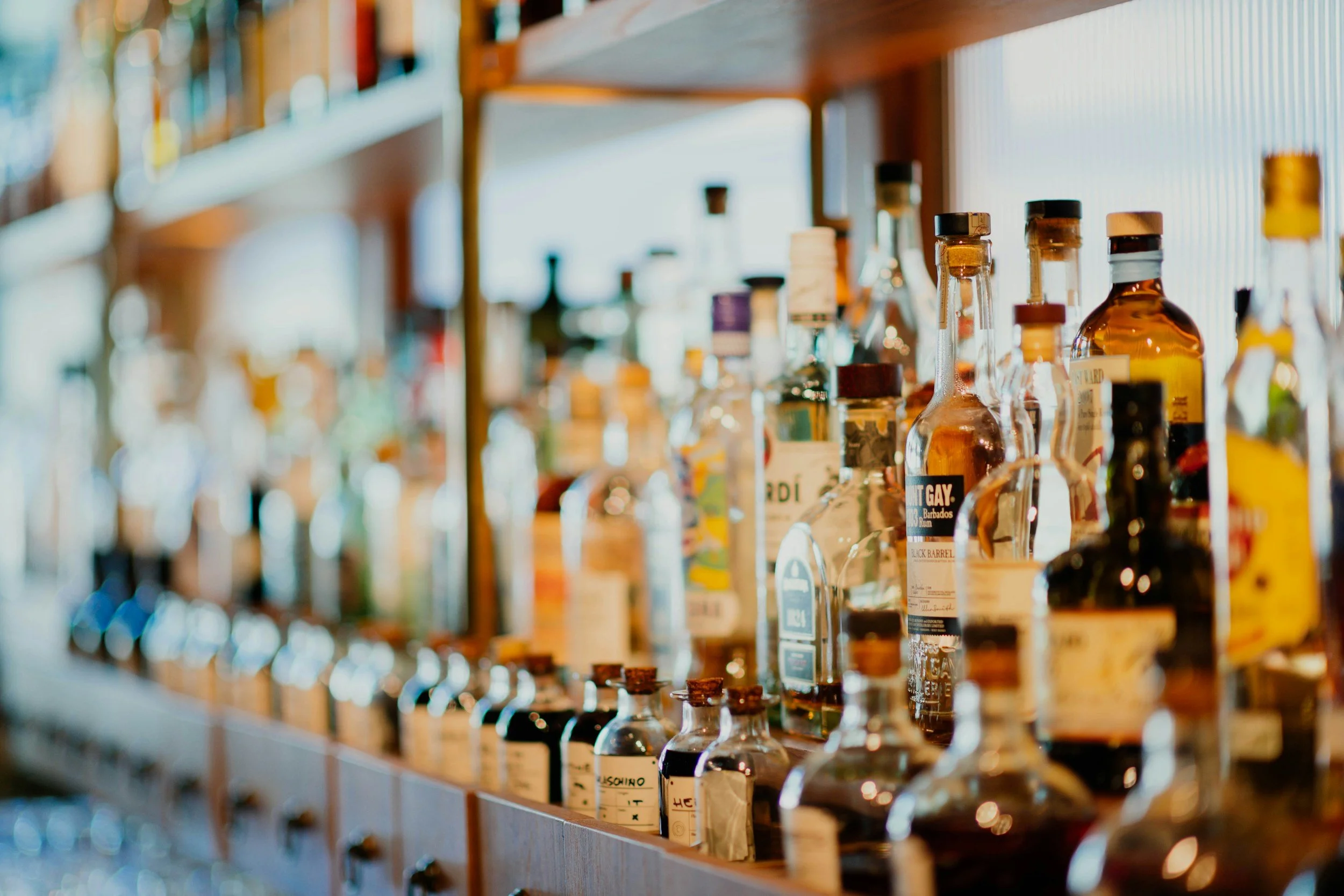
(Spoiler Alert: Alcohol absolutely has the potential to hinder your fitness goals but there’s more to it)
Protein, fats, and carbohydrates are the three key macronutrients in a well rounded diet, but did you know alcohol can often be referred to as the fourth macronutrient? This is because alcohol does contain calories and is metabolized by the body (1 gram of alcohol=7 calories). However, this does not mean that alcoholic calories and calories from food are created equally. While 500 calories from a meal that contains protein, fat, and carbs will provide you with energy to fuel your day, 500 calories from alcohol will do the opposite. It does not provide any benefits or functions like protein, fat, and carbs do, such as aiding in nutrient absorption, or providing vitamins and minerals.
A commonly asked question is, will alcohol make me gain weight? The answer is not super straightforward. While alcohol alone doesn’t necessarily cause an increase in weight gain, it definitely has an impact on factors that do lead to it. As mentioned previously, alcohol does contain calories. Any extra intake of calories over your maintenance caloric intake over a period of time can cause a spike in the scale, as your body is consuming more energy more than is being expended through different activities. So, if you are eating at maintenance or in a deficit, but then consume alcohol drinks weekly on top of that, there’s a good chance you will see a spike in the scale.
Additionally, even if you are burning more than what you consume and try to make a few drinks fit your caloric goal, (not recommended-remember, alcohol doesn’t get used as fuelled food does), drinking alcohol is extremely hard on your body when it comes time to break it down. When you consume alcohol, your body races to break it down as soon as it enters your stomach because it recognizes it as a toxin (again, not like when you consume food and it wants to use it for energy). While your liver does the heavy lifting in metabolizing alcohol, it does take a relatively large amount of energy to do so. This means that while it’s in your system, your body's priority shifts to getting rid of it as quickly as possible, so other chemical reactions, like the ones that work on breaking down excess fat, get put on pause. This isn’t ideal for anyone looking to decrease their body fat.
Drinking alcohol may also cause hunger cues to increase, as well as suppress the hormones that make you feel full and satiated, which can lead to overeating. This, once again, can bring you over your daily maintenance calories, and if decreasing body fat is your goal, constantly consuming over your daily maintenance or deficit calories will make that nearly impossible to achieve.
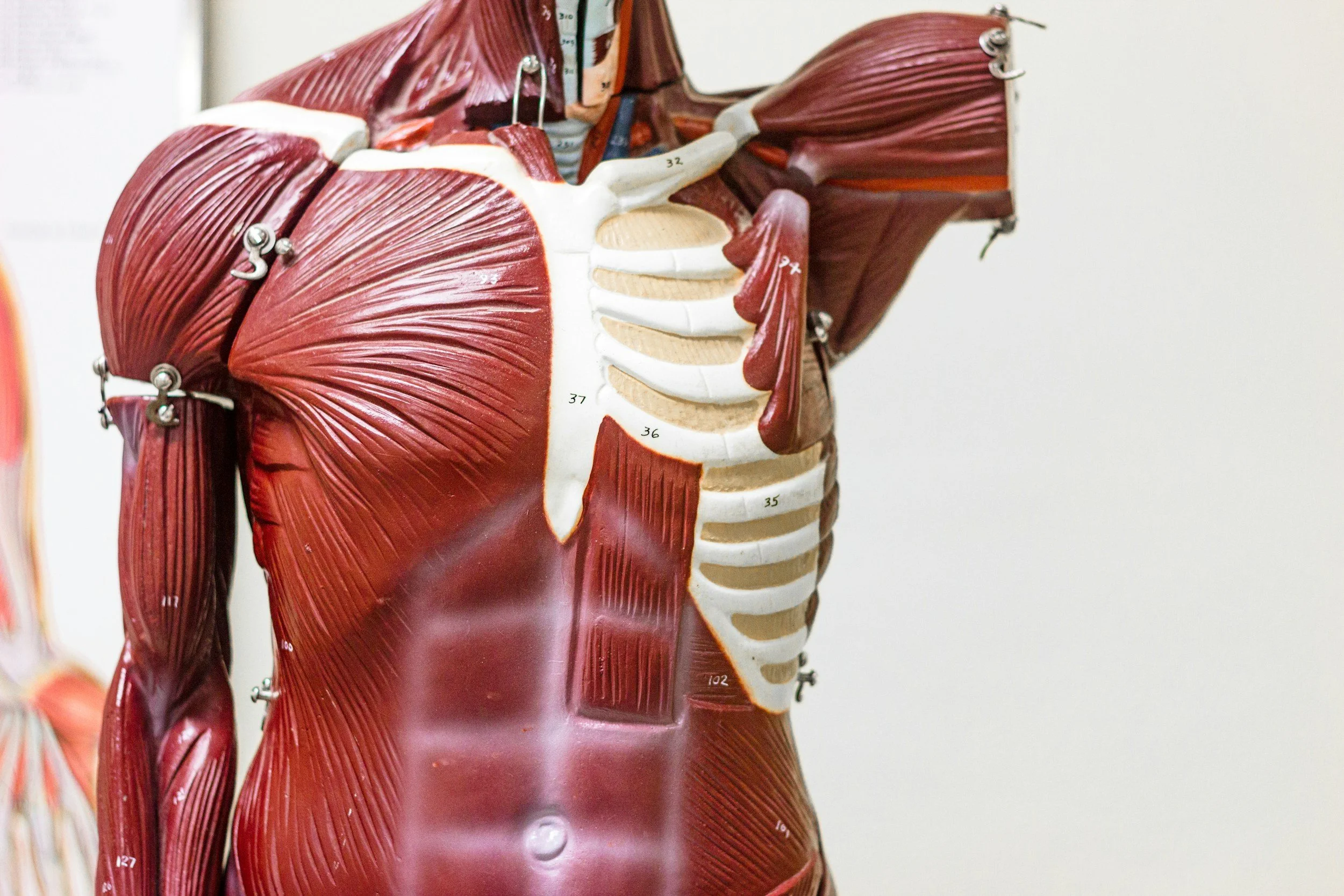
Besides having an effect on weight management, alcohol also impairs muscle gain. More specifically, a higher intake of alcohol over time disrupts the process of muscle protein synthesis and breakdown.
Consuming alcohol suppresses these processes, which can lead to slower muscle gain over time, and even loss altogether of it. It does this by disrupting the mechanistic/mammalian target of rapamycin (mTOR) signaling pathway, which functions to regulate muscle protein synthesis, as well as respond to stimuli like nutrient availability, metabolic stress, and growth factors, all of which are essential for building muscle.
Furthermore, alcohol has been shown to disrupt sleep, which is vital when trying to build muscle, as this is when your muscles have the ability to rest, recover, and restore after the fibers have been torn in weight training sessions. A lack of sleep may also lead to reduced energy the next day, or even days after, meaning missed or half-effort sessions, both of which negatively contribute towards achieving your fitness goals.
If your goal is endurance focused, unfortunately alcohol is still not going to have a positive impact. Drinking alcohol on a regular basis reduces mitochondrial function. That means that the main drivers of your aerobic system are dulled, and their ability to efficiently use carbs to fuel endurance sessions is greatly reduced. No amount of carb gels during your next long run or bike ride will help restore that until the alcohol is out of your system and your body has had the chance to recover.
In conclusion, drinking on occasion won’t drastically impact your fitness goals. Having a few alcoholic drinks once in a while is perfectly fine. Excessive drinking, whether in quantity, duration, or both, is what will really impact your fitness goals negatively, whether that is to lose body fat, get stronger, or increase your endurance. Be mindful of your consumption, prioritize your training, nutrition, and sleep, and don’t stress if you want to have a drink or two on the weekend. Just be mindful of your goals and how drinking in excess may have an impact on them.
References:
Chaput, J., Traversy, G. (2015). Alcohol Consumption and Obesity: An Update. https://pmc.ncbi.nlm.nih.gov/articles/PMC4338356/#Abs1
Clista, Brian. (2025). How Alcohol Affects Your Metabolism. https://www.goodrx.com/conditions/weight-loss/how-alcohol-affects-metabolism
Dobosz, A., Zdunczyk W., Dubinska, M., Paduch-Jakubczyk, W., Bilska, W., Zydek, A. and Ciulek, U. (2024)
The Dark Side of Alcohol: Implications for Muscle Growth, mTOR Pathway, and Athletic Recoveryhttps://apcz.umk.pl/QS/article/view/54490/39748
Hindle, N., Orazio, E. (2023). Food and Alcohol: What You Need to Know. https://wellbeing.jhu.edu/blog/2022/05/11/food-and-alcohol-what-you-need-to-know/
Tracey, Andrew. (2026). What Drinking Alcohol Really Does to Your Hard-Earned Muscle Gains. https://www.menshealth.com/uk/building-muscle/a69902922/alcohol-effects-on-muscle-growth/
Zakhari, Samir. (2006). How is Alcohol Metabolized by the Body? https://pmc.ncbi.nlm.nih.gov/articles/PMC6527027/#abstract1
Check out these for even more information:
Lakićević N. The Effects of Alcohol Consumption on Recovery Following Resistance Exercise: A Systematic Review. J Funct Morphol Kinesiol. 2019 Jun 26;4(3):41. doi: 10.3390/jfmk4030041. PMID: 33467356; PMCID: PMC7739274.
Molina-Hidalgo, C., De-la-O, A., Dote-Montero, M. et al. Influence of daily beer or ethanol consumption on physical fitness in response to a high-intensity interval training program. The BEER-HIIT study. J Int Soc Sports Nutr 17, 29 (2020). https://doi.org/10.1186/s12970-020-00356-7
“Does Alcohol Affect Strength Training?” Written by Nick English, Last updated on July 21st, 2023 https://barbend.com/alcohol-affect-strength-training/