Self-Compassion in Sports and Fitness
Whether you are new to fitness, trying something new, or have been training for years,
the goal is generally to test our strength, endurance, and/or mindset. Wherever we are
in our journey, negative emotional experiences—such as mistakes or bad training
days—are normal in sports and fitness. What matters most is how we move forward
from them.
When you’re going through a difficult time, are you engaging in negative self-talk or
focusing only on what went wrong? Or do you give yourself grace and remind yourself
that challenges are part of the journey? The difference between these mindsets can
greatly influence how we grow and progress toward our goals.
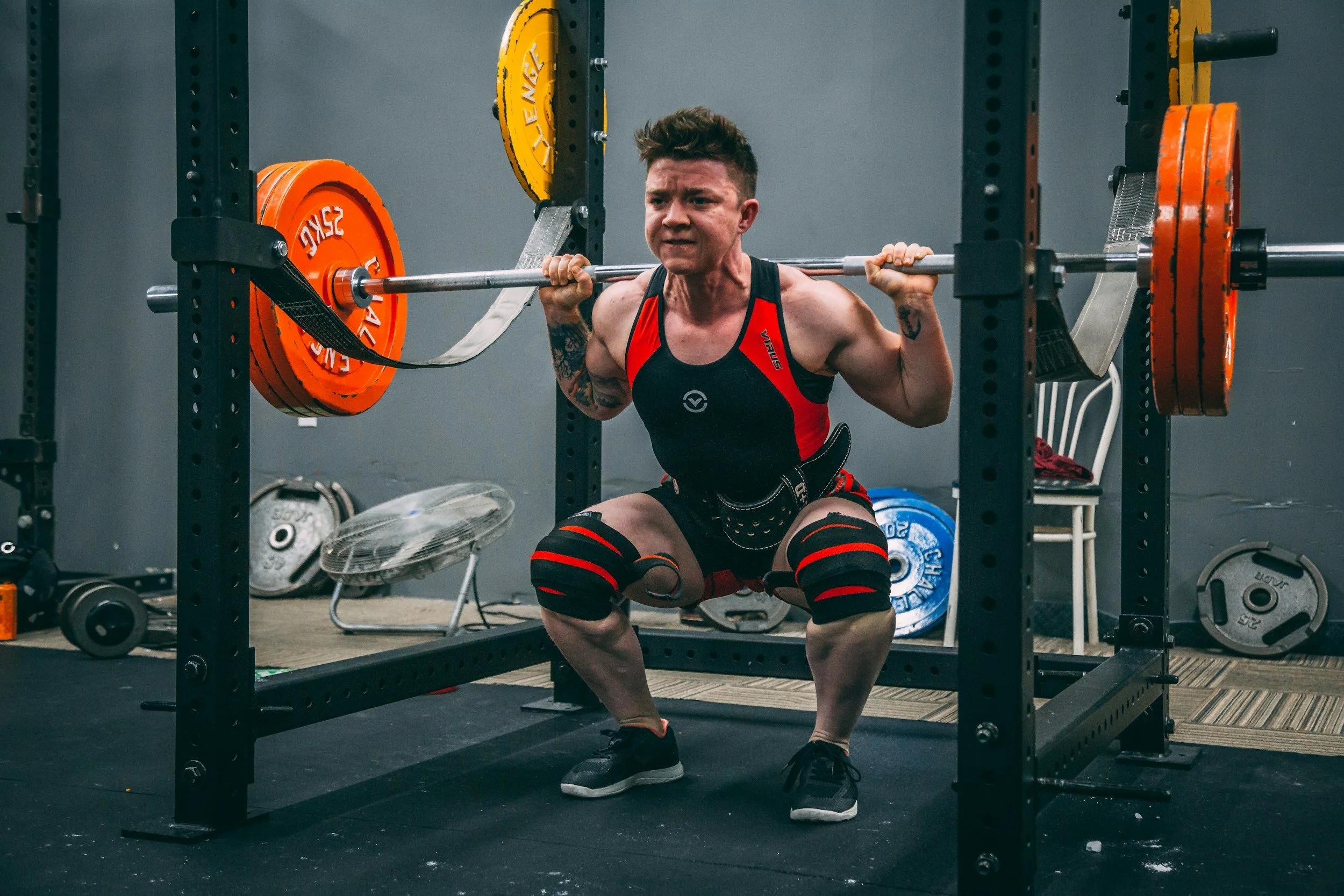
“Self-compassion becomes a key mental attribute in pushing past our comfort zones and
discovering who we really are.”
There are three components of self-compassion (Zhang et al., 2023).
The first is self-kindness. During times of adversity, instead of judging ourselves, we
treat ourselves with care, understanding, and patience. Practicing self-kindness helps
athletes stay consistent and motivated, even after tough sessions or missed goals.
The second component is humanity. This reminds us that we are all human and that we
are not alone in our struggles. Connecting with others who share similar experiences
can reduce the stigma surrounding challenging moments.
The final component is mindfulness. Mistakes and setbacks are inevitable as we learn
and grow—and that’s exactly what they are: moments. We can give ourselves
permission to feel sadness or frustration and accept these difficulties as temporary,
rather than allowing a single mistake to dominate our mindset (Mosewich et al., 2013).
The body achieves what the mind believes. Research shows that negative self-talk and
self-punishment can negatively affect performance (Mosewich et al., 2013). In
powerlifting, self-criticism can contribute to a performance spiral. Thoughts such as “I
always miss depth in my squats” or “everyone else is progressing except me” reflect
negative narratives and comparison-based thinking that can undermine confidence,
focus, recovery, and overall enjoyment of the sport. Over time, this mindset can lead to
increased mistakes and heightened self-doubt.
However, self-compassion can serve as an effective intervention to support both mental
and physical performance. Shifting our mindset and responding to challenges with self-
compassion creates space to process setbacks and build resilience. For example,
reframing a mistake as “I missed depth in my squat, but next time I will rest, reset, or
ask for support” encourages learning rather than self-judgment. Similarly, when
comparing ourselves to others, reminding ourselves that progress looks different for
everyone helps normalize plateaus. A lack of immediate progress does not indicate
failure; rather, it reflects a shared human experience within the training process.
Building a culture of self-compassion takes time and practice. Believe in yourself,
challenge yourself, and know that as you create safe spaces to make mistakes and
succeed, you are not alone.
Example of Quick Tips:
Talk it out, write it down
Name it to tame it – identify what the feeling is and what can you learn from it
Lean on trusted people
Talk to yourself like a coach
Make a progress reminder sheet
Create a reset ritual (take a walk, listen to music, stretch)
References:
Mosewich, A. D., Crocker, P. R. E., Kowalski, K. C., & DeLongis, A. (2013). Applying
self-compassion in sport: An intervention with women athletes. Journal of Sport &
Exercise Psychology, 35(5), 514–524.
Zhang N, Huang J and Yao J (2023) Athletes’ self-compassion and emotional resilience
to failure: the mediating role of vagal reactivity. Front. Psychol. 14:1192265. doi:
10.3389/fpsyg.2023.1192265